_edited.jpg)
Care Home SEO: What an Optimized Website Looks Like
- Info Business
- Jun 3
- 3 min read

A care home website should do more than simply provide information. It should help families find your services, build trust with prospective residents, and generate enquiries consistently.
The challenge is that many care home websites are outdated, difficult to navigate, and poorly optimized for search engines. As a result, they struggle to appear in local search results when families are actively looking for care options.
If your website isn't visible on Google, you're likely missing valuable enquiries.
So, what does an SEO-optimized care home website actually look like?
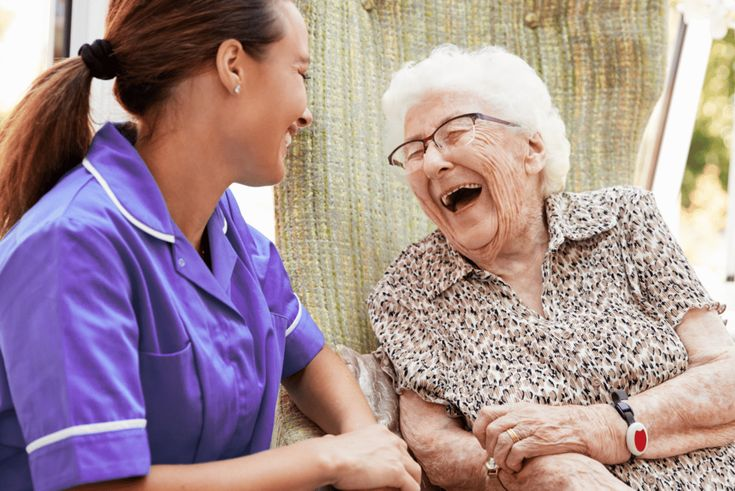
Care Home SEO Starts With a Clear Website Structure
Both visitors and search engines need to understand your website quickly.
An optimized care home website typically includes dedicated pages for:
Residential care
Dementia care
Nursing care
Respite care
Specialist services
About the care home
Contact information
Clear navigation makes it easier for families to find the information they need while helping search engines understand your services.
Location Pages Help You Rank Locally
Most families search for care homes in a specific area.
Search terms often include:
Care homes in [town]
Dementia care near me
Residential care in [city]
Nursing homes near me
To improve visibility, successful care homes create location-focused content that clearly highlights the areas they serve.
This helps increase local search rankings and attract more relevant enquiries.
Fast Loading Speeds Improve User Experience
Website speed is an important ranking factor and directly affects user experience.
Families researching care options are unlikely to wait for a slow website to load.
An optimized website should:
Load quickly on desktop and mobile devices
Use compressed images
Minimize unnecessary plugins
Provide a smooth browsing experience
A faster website often leads to higher engagement and better conversion rates.
Care Home SEO Relies on High-Quality Service Pages
One of the biggest mistakes care homes make is combining all services onto a single page.
Instead, each service should have its own dedicated page.
Examples include:
Dementia care
Residential care
Nursing care
Respite care
Palliative care
Dedicated pages allow search engines to understand exactly what services you offer and increase your chances of ranking for relevant searches.
Strong Calls to Action Increase Enquiries
Families visiting a care home website often need guidance on what to do next.
Every important page should include clear calls to action such as:
Book a visit
Request information
Speak with our team
Schedule a consultation
The easier it is to take action, the more enquiries your website is likely to generate.
Reviews and Testimonials Build Trust
Choosing a care home is a major decision.
Families want reassurance before making contact.
Displaying reviews, testimonials, and resident success stories can help establish trust and credibility.
Social proof is one of the most effective ways to encourage enquiries and demonstrate the quality of care you provide.
Mobile Optimization Is Essential
Many people search for care services on their smartphones.
An optimized care home website should be fully responsive and easy to use on any device.
Mobile-friendly websites typically provide:
Easy navigation
Click-to-call functionality
Fast loading speeds
Simple enquiry forms
A poor mobile experience can result in lost opportunities and lower search rankings.
Educational Content Supports Care Home SEO
Successful care homes often publish helpful content that answers common questions families have.
Examples include:
How to choose the right care home
Signs a loved one may need residential care
Understanding dementia care options
Questions to ask during a care home visit
This type of content can attract visitors through search engines while positioning your care home as a trusted source of information.
Google Business Profile Integration Matters
A website should work alongside a fully optimized Google Business Profile.
Together, they help improve local visibility and provide families with important information such as:
Location
Contact details
Reviews
Opening hours
Directions
This combination can significantly improve local search performance.
Clear Photography and Authentic Content Make a Difference
Families want to see where their loved ones may be living.
High-quality images of:
Bedrooms
Communal areas
Gardens
Activities
Staff members
can help create confidence and improve engagement.
Authentic visuals often perform far better than generic stock photos.
Final Thoughts
An SEO-optimized care home website is designed to do two things: rank well in search engines and convert visitors into enquiries.
By focusing on clear website structure, dedicated service pages, local SEO, mobile optimization, trust-building content, and strong calls to action, care homes can improve their online visibility and attract more families searching for care services.
The most successful care home websites aren't necessarily the most complex. They're simply built with both search engines and families in mind.



Comments