_edited.jpg)
AR & VR in Marketing: Real-World Examples of Brand Success
- Info Business
- Jan 20
- 3 min read

Augmented Reality (AR) and Virtual Reality (VR) are no longer futuristic concepts—they’re transforming the way brands engage with audiences. From immersive shopping experiences to interactive ads, AR and VR marketing allows companies to capture attention, enhance engagement, and create memorable brand experiences.
In this blog, we’ll explore real-world examples of AR and VR marketing success and show how brands are leveraging these technologies to stand out in a crowded digital landscape.

Why AR and VR Marketing Matters in 2026
Traditional marketing methods are becoming less effective as consumers demand experiences that are interactive, personalized, and memorable. AR and VR let brands:
Engage audiences in immersive environments
Showcase products in 3D without physical limitations
Encourage social sharing and user-generated content
By providing interactive experiences, brands can increase engagement, boost
conversions, and strengthen customer loyalty.
Top Examples of AR and VR Marketing Success
1. IKEA Place – AR Furniture Shopping

IKEA’s AR app allows users to virtually place furniture in their own homes before buying. This AR marketing campaign reduced uncertainty and enhanced the customer experience.
Why It Worked:
Practical use of AR
Solved a real pain point (visualizing furniture at home)
Encouraged social sharing of room setups
Key Takeaway: Use AR to let customers “try before they buy.”
2. NIke – VR Sneaker Experiences

Nike has experimented with VR experiences in stores and online, letting customers explore sneaker designs, watch virtual demos, and customize shoes in immersive ways.
Why It Worked:
Engaged fans in a memorable experience
Reinforced brand identity as innovative and tech-forward
Encouraged product exploration and loyalty
Key Takeaway: VR can make product experiences exciting and memorable.
3. Pepsi Max – AR Bus Shelter Campaign
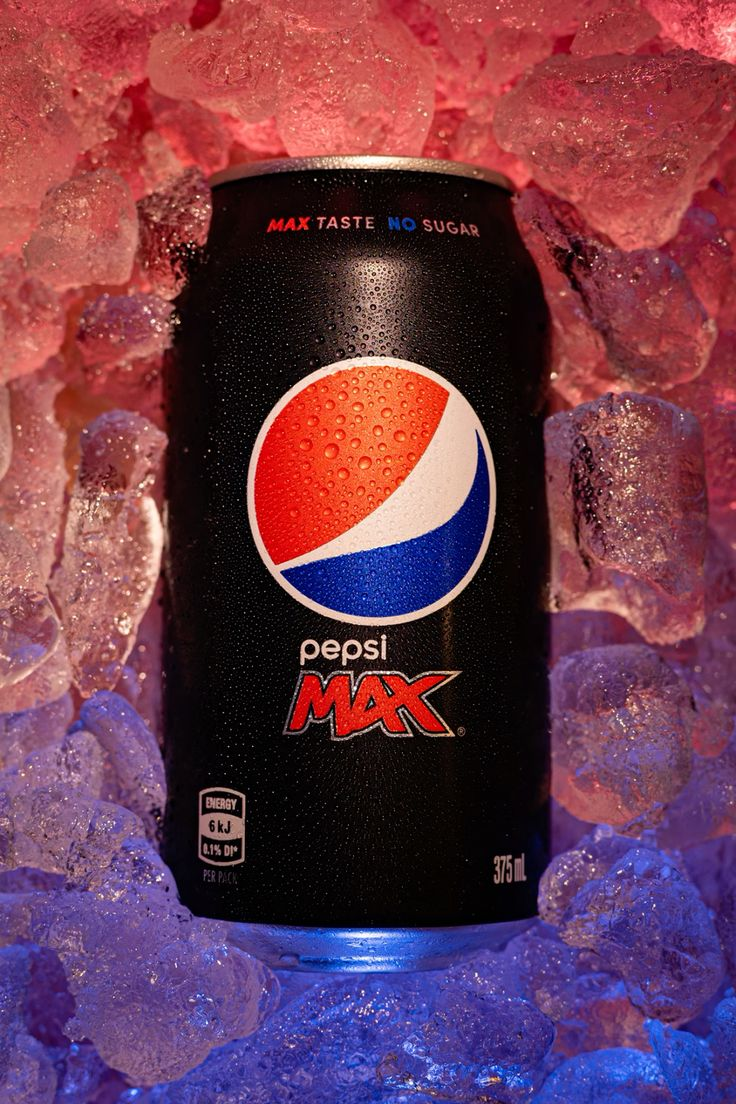
Pepsi Max installed AR screens at bus shelters in London, showing aliens, robots, and other interactive scenarios as if they were happening in real life.
Why It Worked:
Captured massive attention in public spaces
Generated viral social media content
Reinforced brand as fun and bold
Key Takeaway: Creative AR experiences can generate buzz and shareability.
4. Sephora Virtual Artist – AR Beauty Try-On

Sephora’s app uses AR to let users try on makeup virtually. Shoppers can experiment with different products, shades, and styles without physically applying them.
Why It Worked:
Personalized the shopping experience
Increased confidence in purchase decisions
Boosted online and in-store sales
Key Takeaway: AR enhances personalization and reduces friction in the buying process.
5. TOMS – VR Storytelling Campaigns

TOMS used VR to immerse users in the lives of people impacted by their One for One campaign. This VR storytelling experience helped connect customers emotionally to the brand.
Why It Worked:
Created deep emotional engagement
Strengthened brand values and mission
Differentiated TOMS from competitors
Key Takeaway: VR is a powerful tool for emotional storytelling and brand advocacy.
How to Incorporate AR and VR into Your Marketing Strategy
Identify Your Goal: Are you looking to increase engagement, boost sales, or educate your audience?
Choose the Right Platform: AR works well for mobile apps and social filters, while VR is effective for immersive experiences in stores or events.
Focus on User Experience: Make sure your AR/VR experience is intuitive, fun, and valuable.
Encourage Sharing: Design experiences that users will want to share on social media.
Measure Impact: Track engagement, conversions, and social metrics to understand ROI.
The Future of AR and VR Marketing
AR and VR marketing is set to grow rapidly in 2026 and beyond. As devices become more accessible and technology improves, brands will have even more opportunities to deliver unique, interactive experiences. Those who embrace AR and VR early can differentiate themselves, build deeper connections with audiences, and generate memorable campaigns.
Final Thoughts
AR and VR are more than just gimmicks—they’re powerful tools for modern marketing. By creating immersive, interactive, and shareable experiences, brands can elevate engagement, boost sales, and leave a lasting impression.



Comments